
Best Non-toxic Coffee Makers [BUYER GUIDE]
Note: This page contains affiliate links.
As an Amazon Associate, I earn from qualifying purchases when you click on the link, but you are not charged extra.
Coffee is more than just a beverage; it’s a ritual, a moment of solace, and for many, the fuel that powers the day. Yet, as the world grows increasingly aware of health and environmental concerns, the materials we expose ourselves to during these daily rituals are under scrutiny. Enter non-toxic coffee makers-appliances designed to brew your favorite coffee without exposing you to harmful chemicals such as BPA, lead, or other synthetic contaminants often found in plastics and poorly coated metals. These machines bridge the gap between convenience, quality, and safety, ensuring that every cup you pour is as pure as the moment you savor it. This guide delves into why non-toxic coffee makers matter, how to choose the right one, and the essential features and practices to maximize both safety and taste.
Top 5 Must-Try Coffee Lineup
- Old World Christmas Beans: Tastes like the holidays in every cup — discover the cozy magic of Old World Christmas Beans before the season slips away.
- Kirkland Sumatra French Roast : Dark, bold, and wildly smooth—why Kirkland’s Sumatra French Roast is the best-kept secret of serious coffee drinkers.
- Hot Fudge Whole Bean Coffee : What happens when dessert meets coffee? Meet the decadent whole bean that tastes like hot fudge—but better.
- Aroma Ridge Guatemala Antigua Medium Roast : From the highlands of Guatemala to your morning mug—this rich, balanced roast is waking up coffee lovers everywhere.
- Juan Valdez Cumbre Colombian Coffee : Crafted by Colombia’s most iconic coffee legend—why Cumbre is a must-try for fans of bold, authentic flavor.
Contents
- 1 Best Non-toxic Coffee Makers: Comparison Table
- 2 Best Non-toxic Coffee Makers
- 3 Why Buy Non-toxic Coffee Makers
- 4 How To Choose The Right Machine?
- 5 Top Features To Look For In Non-toxic Coffee Makers
- 6 Tips For Using Non-toxic Coffee Makers
- 7 Maintenance And Cleaning Tips
- 8 Where To Buy Non-toxic Coffee Makers
- 9 Final Words
Best Non-toxic Coffee Makers: Comparison Table
| Features | Pros | Cons | |
|---|---|---|---|
Breville Bambino Plus Espresso Machine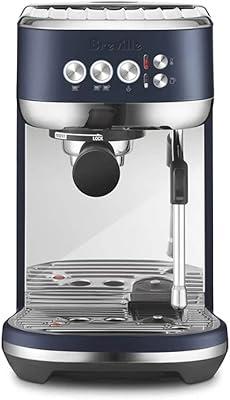 Check Price Check Price |
|
|
|
OXO Brew 9-Cup Coffee Maker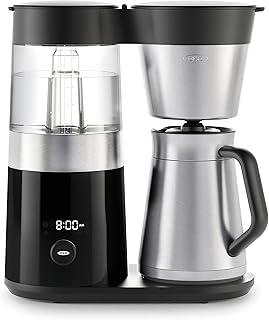 Check Price Check Price |
|
|
|
| Technivorm Cup-One Coffee BrewerCheck Price |
|
|
|
| AeroPress Coffee MakerCheck Price |
|
|
|
| Chemex Classic Series Glass Coffee MakerCheck Price |
|
|
|
Best Non-toxic Coffee Makers
Breville Bambino Plus Espresso Machine
If you’re looking for a high-quality espresso machine that won’t break the bank or fill up your counter space, the Breville Bambino Plus is perfect. It has a sleek stainless steel design and is made with non-toxic materials. The Bambino is designed to heat up quickly and brew rich, smooth espresso that rivals anything you’d get at a coffee shop. The milk steamer is a dream, too, producing silky foam. Just be prepared to spend a little time getting familiar with the settings to get the best results. Plus, it’s a bit pricey for a home espresso machine, but it’s totally worth it if you’re serious about your coffee.
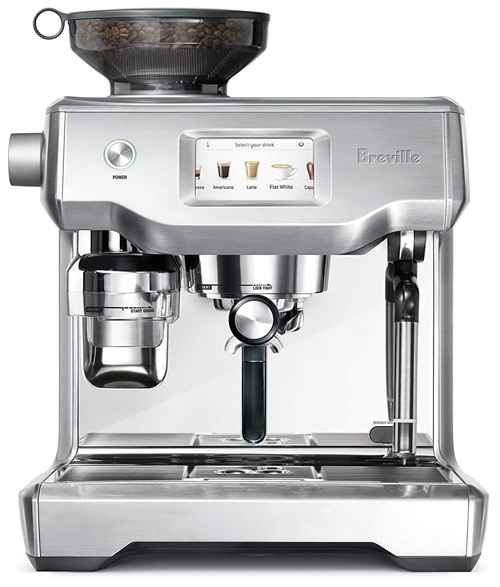
Features:
- Compact espresso machine
- Stainless steel exterior
- Fast heat-up time
- Non-toxic materials
Pros:
- Makes cafe-quality espresso
- Small footprint
- User-friendly
- Steams milk perfectly
Cons:
- Expensive
- Requires some learning curve for best results
OXO Brew 9-Cup Coffee Maker
For those who need a solid, reliable coffee maker that can brew multiple cups at once, the OXO Brew 9-Cup is a great choice. It’s made with BPA-free plastic and stainless steel, and its advanced brewing technology ensures that the water stays at the perfect temperature for a consistently great cup of coffee. It’s perfect for households with a few coffee drinkers or for anyone who likes to entertain. It’s a little on the larger side, though, so it may not fit in smaller kitchens, and while it’s BPA-free, it still has some plastic parts.
Features:
- Automatic drip coffee maker
- BPA-free plastic
- Advanced brewing technology
- Large capacity (up to 9 cups)
Pros:
- Great for families or multiple coffee drinkers
- Consistent brewing temperature
- Simple to use
- Stylish design
Cons:
- On the bulky side
- Plastic parts (though BPA-free)
Technivorm Cup-One Coffee Brewer
If you’re into single-serve coffee, this is a game-changer. The Technivorm Cup-One is top-notch in terms of coffee quality, brewing one cup at a time with a beautiful stainless steel brewing system. It heats water to the perfect temperature for optimal extraction, so you get rich, delicious coffee without the weird plastic taste you get from other machines. It’s BPA-free, which is always a win. But be warned: it’s definitely on the pricey side, and it only makes one cup at a time, so if you’re brewing for a crowd, you’ll want to look elsewhere.
Features:
- Single-serve coffee maker
- Stainless steel brewing system
- BPA-free
- Quick brewing time
Pros:
- Produces rich, high-quality coffee
- No plastic contact with hot water
- Easy to clean
- Compact size
Cons:
- Single cup only
- Expensive compared to other single-serve machines
AeroPress Coffee Maker
The AeroPress is a beloved classic in the world of coffee brewing. It’s a manual coffee maker that’s incredibly easy to use once you get the hang of it. The best part? The coffee it makes is smooth and flavorful, without any plastic aftertaste, even though it’s made with BPA-free plastic. It’s super affordable and perfect for anyone who loves fresh coffee on the go. But it does require a little elbow grease, and it only brews a small batch at a time, so if you’re making coffee for multiple people, it might not be the best choice.
Features:
- Manual coffee maker
- Durable, BPA-free plastic
- Easy to use
- Compact and portable
Pros:
- Affordable
- Takes up little space
- Makes coffee quickly
- No plastic taste in coffee
Cons:
- Manual operation (requires more effort)
- Limited capacity (makes 1-3 cups)
Chemex Classic Series Glass Coffee Maker
The Chemex Classic Series is a manual pour-over coffee maker that combines elegance with functionality. The all-glass design ensures you’re not coming into contact with any plastic or metal, and the resulting coffee is clean, flavorful, and rich. The simplicity of the design means you can easily control the brewing process, and it’s super easy to clean. However, it does require a little more time and patience to brew compared to automatic machines, and you’ll need a separate kettle to heat your water. If you’re into slow brewing and appreciate a more hands-on approach, the Chemex is definitely worth it.
Features:
- Manual pour-over coffee maker
- Made from high-quality glass
- Non-toxic
- Elegant design
Pros:
- Simple to use
- Makes clean, rich coffee
- Easy to clean
- No plastic or metal parts
Cons:
- Requires a bit of patience
- No built-in heating element (needs a separate kettle)
Why Buy Non-toxic Coffee Makers
The average coffee drinker consumes multiple cups daily, meaning prolonged exposure to potential toxins can accumulate over time. Non-toxic coffee makers prioritize materials like stainless steel, glass, ceramic, or BPA-free plastics to eliminate chemical leaching. These machines not only protect your health but can also preserve the flavor integrity of your coffee. Traditional machines, especially those with plastic water reservoirs or components exposed to high heat, can release microscopic particles and chemicals that subtly alter taste and pose long-term health risks. By investing in a non-toxic coffee maker, you’re making a conscious decision to prioritize your well-being, flavor quality, and environmental responsibility.
How To Choose The Right Machine?
Selecting the ideal non-toxic coffee maker requires more than just scanning labels for ’BPA-free’ stickers. Start by considering your brewing style-are you a drip coffee purist, an espresso aficionado, or someone who enjoys pour-over rituals? Evaluate the materials of all components that come into contact with water or coffee grounds; glass carafes, stainless steel boilers, and ceramic filters are the gold standard for safety. Size and capacity matter too; a single-cup machine is ideal for solitary drinkers, whereas families or offices benefit from larger models. Additional considerations include programmable features, ease of cleaning, and energy efficiency. Remember, the ’right’ machine aligns your health priorities with your brewing habits and lifestyle.
Top Features To Look For In Non-toxic Coffee Makers
- BPA-Free or Plastic-Free Components: Ensure any plastic used in the machine is explicitly labeled BPA-free. Even better, opt for machines that minimize plastic altogether.
- Stainless Steel or Ceramic Filters and Reservoirs: These materials resist corrosion, maintain flavor integrity, and are safer than coated plastics.
- Temperature Control: Proper brewing temperature enhances flavor extraction while reducing the risk of chemical leaching from materials.
- Programmable Settings: Timers, auto-brewing, and strength adjustments add convenience without compromising safety.
- Easy Disassembly: Machines that come apart easily for cleaning reduce bacterial buildup and prolong lifespan.
- Eco-Friendly Design: Reusable filters, energy-saving modes, and sustainable materials complement the non-toxic ethos.
Tips For Using Non-toxic Coffee Makers
Using a non-toxic coffee maker effectively requires understanding how your chosen materials interact with coffee and heat. Always pre-rinse glass or ceramic carafes to avoid sudden temperature shocks. For machines with metal boilers, allow the water to reach optimal temperature before brewing to extract maximum flavor without scalding. Use high-quality, freshly ground coffee to minimize residue buildup, which can interact with machine materials over time. Avoid leaving water sitting in the reservoir for long periods to prevent bacteria growth and mineral deposits. By integrating careful usage habits, you not only safeguard your health but also enhance the coffee’s aroma and taste.
Maintenance And Cleaning Tips
Maintenance is crucial for preserving both the longevity of your machine and its non-toxic integrity. Clean all removable components after every use using mild, non-abrasive detergents. For metal parts, occasional descaling with a mixture of vinegar and water helps prevent mineral accumulation without introducing harmful chemicals. Never use harsh cleaners or bleach, as these can compromise non-toxic coatings. Glass and ceramic parts can typically withstand gentle scrubbing or dishwasher cleaning, but always verify manufacturer instructions. Regular maintenance ensures consistent taste, prolongs machine life, and guarantees a truly non-toxic brewing environment.
Where To Buy Non-toxic Coffee Makers
Non-toxic coffee makers are increasingly available through various channels. Specialty kitchen stores often stock high-quality, BPA-free, and metal-focused machines. Online marketplaces such as Amazon, Wayfair, and dedicated health-focused retailers offer extensive reviews, price comparisons, and detailed product specifications. For those seeking eco-conscious or artisanal options, direct-to-consumer brands often emphasize sustainability and health-first design, providing certifications and lab-tested assurances. When shopping, prioritize verified non-toxic claims, transparent material sourcing, and reputable customer reviews.
Final Words
Investing in a non-toxic coffee maker is an investment in your health, the environment, and the quality of your daily ritual. These machines prove that convenience doesn’t have to come at the cost of safety or flavor. By choosing wisely, using thoughtfully, and maintaining diligently, you ensure that every cup you drink is free from harmful contaminants and bursting with the rich aroma and taste you love.