
Best Non-plastic Coffee Makers [BUYER GUIDE]
Note: This page contains affiliate links.
As an Amazon Associate, I earn from qualifying purchases when you click on the link, but you are not charged extra.
Coffee is more than a beverage-it is a ritual, an experience, and for many, the lifeblood of their morning. In recent years, coffee enthusiasts have become increasingly conscious not just of the taste and quality of their brew but also of the materials that come into contact with their coffee. Non-plastic coffee makers have emerged as a compelling choice for those who value health, sustainability, and longevity in their kitchen appliances. These machines, often crafted from stainless steel, glass, ceramic, or other natural materials, offer a cleaner, more authentic coffee experience. Beyond aesthetics, they eliminate the potential chemical interactions associated with plastic, ensuring that each cup of coffee maintains its intended flavor without contamination.
Top 5 Must-Try Coffee Lineup
- Old World Christmas Beans: Tastes like the holidays in every cup — discover the cozy magic of Old World Christmas Beans before the season slips away.
- Kirkland Sumatra French Roast : Dark, bold, and wildly smooth—why Kirkland’s Sumatra French Roast is the best-kept secret of serious coffee drinkers.
- Hot Fudge Whole Bean Coffee : What happens when dessert meets coffee? Meet the decadent whole bean that tastes like hot fudge—but better.
- Aroma Ridge Guatemala Antigua Medium Roast : From the highlands of Guatemala to your morning mug—this rich, balanced roast is waking up coffee lovers everywhere.
- Juan Valdez Cumbre Colombian Coffee : Crafted by Colombia’s most iconic coffee legend—why Cumbre is a must-try for fans of bold, authentic flavor.
Contents
- 1 Best Non-plastic Coffee Makers: Comparison Table
- 2 Best Non-plastic Coffee Makers
- 3 Why Buy Non-plastic Coffee Makers
- 4 How To Choose The Right Machine?
- 5 Top Features To Look For In Non-plastic Coffee Makers
- 6 Tips For Using Non-plastic Coffee Makers
- 7 Maintenance And Cleaning Tips
- 8 Where To Buy Non-plastic Coffee Makers
- 9 Final Words
Best Non-plastic Coffee Makers: Comparison Table
| Features | Pros | Cons | |
|---|---|---|---|
Hario V60 Ceramic Coffee Dripper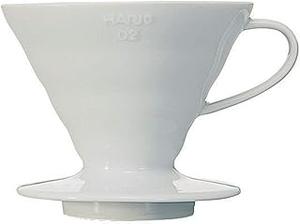 Check Price Check Price |
|
|
|
| Chemex Classic Series Coffee MakerCheck Price |
|
|
|
| Stelton EM77 Thermos Coffee MakerCheck Price |
|
|
|
| Bodum Pour Over Coffee Maker (with stainless steel filter)Check Price |
|
|
|
| Espro Press P7Check Price |
|
|
|
Best Non-plastic Coffee Makers
Hario V60 Ceramic Coffee Dripper
The Hario V60 Ceramic Coffee Dripper is a classic choice for anyone who wants a super simple yet efficient way to brew a great cup of coffee. It’s just a ceramic cone with a bit of flair, and you pour hot water through it to extract all that wonderful coffee flavor. The beauty is in its simplicity-though you’ll need to pay attention and be gentle with the ceramic, as it can crack if mishandled. Plus, you’ll need a carafe or mug for the brewed coffee to land in, but honestly, it’s a no-frills experience that really lets the beans shine.
Features:
- Ceramic body
- Available in various sizes
- Requires paper filters
- Portable and compact
Pros:
- Affordable
- Portable and easy to use
- Produces rich, flavorful coffee
- Simple design
Cons:
- Requires a separate carafe or mug
- Needs manual control and attention
- Ceramic can be prone to cracking with rough handling
Chemex Classic Series Coffee Maker
The Chemex is like the cool, minimalist sibling in the world of coffee makers-simple, beautiful, and perfect for brewing a clean, bright cup of coffee. Made entirely of hand-blown glass with no plastic parts (apart from a small wooden collar for gripping), it lets you savor the pure essence of your beans. The downside? Its glass body is delicate, and you’ll need special Chemex filters for the perfect brew. But the coffee it makes? Oh, it’s totally worth the extra care and attention.
Features:
- Hand-blown glass
- No plastic parts
- Wood collar for handling
- Brews 3-8 cups
Pros:
- Elegant and sleek design
- Produces a clean, crisp cup of coffee
- Durable glass construction
- Widely praised by coffee lovers
Cons:
- Requires special paper filters
- Glass can be fragile
- No built-in filter or brewer functionality
Stelton EM77 Thermos Coffee Maker
If you’re looking for something stylish and functional, the Stelton EM77 is a beautiful choice. Its design is iconic-made from stainless steel, it’s got no plastic where it matters most (no plastic touching your coffee!). The built-in thermal carafe keeps your brew hot without needing a hotplate, and the push-button function is delightfully simple. The only catch? It’s on the pricier side, and while it makes a nice cup, it’s more of a personal-sized brewer, so it’s not for big crowds. But hey, you can’t beat that sleek, modern aesthetic!
Features:
- Stainless steel body
- Thermal carafe
- No plastic contact with the coffee
- Simple push-button mechanism
Pros:
- Sleek, Scandinavian design
- Insulated carafe keeps coffee hot
- No plastic in direct contact with coffee
- Easy to use
Cons:
- Expensive
- The carafe can be heavy when full
- Doesn’t make large quantities
Bodum Pour Over Coffee Maker (with stainless steel filter)
Bodum’s Pour Over Coffee Maker is a perfect match for anyone who loves the art of brewing with precision but doesn’t want to deal with paper filters. The borosilicate glass body is durable enough for everyday use, and the stainless steel filter allows oils and flavors to pass through, giving you that smooth, rich cup of coffee. It’s quick to brew, but you’ll need a steady hand to pour just right. The main drawback? The glass can break if mishandled, and it only brews 1-4 cups at a time, so it’s more of a personal coffee ritual than a group brew.
Features:
- Borosilicate glass
- Stainless steel filter
- Easy-to-use pour-over design
- Capacity for 1-4 cups
Pros:
- No paper filters needed
- Brews a rich, full-bodied cup
- Minimalist design
- Affordable
Cons:
- Glass can be fragile
- Small brewing capacity
- Requires patience to pour steadily
Espro Press P7
The Espro Press P7 is the kind of coffee maker that brings a little luxury to your morning ritual. This stainless steel French press is designed to keep your coffee hot longer and is built to last. The double-walled construction ensures heat retention, and the stainless steel filter gives you a fuller flavor profile without any grit. If you’re willing to invest a bit more for a quality brewing experience, this one’s a winner. But just be prepared for a heavier press and a slightly more involved cleaning process than your standard French press!
Features:
- Double-walled stainless steel
- Built-in stainless steel filter
- No plastic in contact with coffee
- Available in 18oz and 32oz sizes
Pros:
- Sleek and modern design
- Keeps coffee hot longer
- No plastic taste or components
- Easy to use
Cons:
- Higher price point
- Requires a bit of cleaning effort
- Stainless steel press can be heavy
Why Buy Non-plastic Coffee Makers
The push towards non-plastic coffee makers is driven by multiple factors, including health, environmental impact, and durability.
Health Considerations
Plastics, especially when exposed to heat, can release chemicals such as BPA or phthalates, which may leach into beverages over time. Non-plastic materials like stainless steel or glass do not carry these risks, offering a purer, safer brewing process.
Environmental Sustainability
Plastic coffee makers contribute to long-term environmental waste. By opting for non-plastic machines, you are supporting products that are often recyclable, biodegradable, or built to last decades, reducing your carbon footprint.
Taste And Aroma Preservation
Plastic can subtly alter the flavor of coffee. Non-plastic materials maintain the integrity of your beans’ aroma and taste, allowing the nuanced flavors-from fruity to chocolatey notes-to shine.
Longevity And Durability
Non-plastic coffee makers tend to withstand heat and daily wear far better than plastic counterparts. Stainless steel, ceramic, and glass are resistant to warping, staining, and degradation, often making them a better long-term investment.
How To Choose The Right Machine?
Selecting the ideal non-plastic coffee maker requires considering your brewing habits, preferences, and lifestyle.
Brewing Method
- Pour-over: Offers full control over extraction and is often made entirely of glass or ceramic.
- French Press: Typically glass or stainless steel, delivering a rich, full-bodied brew.
- Espresso Machines: Many high-end espresso machines feature stainless steel boilers and components for durability and flavor consistency.
Capacity
Consider whether you need a single-cup maker for personal use or a larger machine to brew multiple cups for family or office use.
Heat Source
Non-plastic coffee makers may be compatible with gas, electric, or induction heat. Check compatibility to avoid damage or inefficient brewing.
Aesthetic And Kitchen Integration
These machines often double as design pieces. A sleek stainless steel espresso maker or a classic glass French press can complement your kitchen while enhancing the coffee experience.
Top Features To Look For In Non-plastic Coffee Makers
When investing in a non-plastic coffee maker, certain features elevate both convenience and performance:
Material Quality
Ensure the machine uses high-grade stainless steel, borosilicate glass, or durable ceramic to avoid chipping, cracking, or corrosion.
Heat Retention
Double-walled glass or stainless steel designs help keep coffee hot without compromising taste.
Precision Controls
Temperature regulation and timing controls allow for consistent, professional-quality brewing.
Ease Of Use
Look for intuitive designs with minimal moving parts. Machines with ergonomic handles and clear markings make daily use seamless.
Sustainability And Replaceable Parts
Some non-plastic coffee makers offer replaceable filters, gaskets, or carafes, extending the life of the appliance and reducing waste.
Tips For Using Non-plastic Coffee Makers
To get the most from your non-plastic coffee maker:
- Preheat Your Machine: Warm your glass or stainless steel components before brewing to maintain consistent temperature.
- Use Fresh, Filtered Water: The purity of your water directly impacts flavor; minerals and impurities can alter taste.
- Mind Brewing Time: Over-extraction can make coffee bitter. Follow manufacturer guidelines for optimal results.
- Avoid Sudden Temperature Shocks: For glass coffee makers, avoid pouring boiling water into a cold container to prevent cracking.
Maintenance And Cleaning Tips
Non-plastic coffee makers require regular care to ensure longevity and optimal flavor:
- Daily Cleaning: Rinse after each use to prevent coffee oil buildup, which can affect taste.
- Deep Cleaning: Use a mixture of vinegar and water or citric acid to descale stainless steel or glass components periodically.
- Avoid Abrasives: Use soft sponges or cloths; harsh scrubbers can scratch glass or ceramic.
- Check Seals and Gaskets: For espresso machines, inspect rubber or silicone seals regularly and replace them as needed to maintain performance.
Where To Buy Non-plastic Coffee Makers
Non-plastic coffee makers are widely available both online and in physical stores.
1. Online Retailers: Amazon, specialty coffee retailers, and manufacturer websites often have a wide selection with detailed specifications and customer reviews.
2. Specialty Coffee Shops: Many high-end coffee stores offer non-plastic brewing equipment and knowledgeable staff to guide your selection.
3. Department Stores: Stores like Williams Sonoma or Bed Bath & Beyond often carry premium non-plastic coffee makers.
4. Eco-conscious Retailers: Shops that focus on sustainable living frequently stock coffee makers designed to minimize plastic use.
Final Words
Choosing a non-plastic coffee maker is more than a lifestyle decision-it’s a commitment to quality, sustainability, and health. By prioritizing durable, chemical-free materials, you can enjoy coffee in its purest form while contributing to environmental preservation. The right machine, when paired with mindful brewing practices, transforms your daily coffee ritual into a richer, more satisfying experience.