
Best Manual Drip Coffee Makers [BUYER GUIDE]
Note: This page contains affiliate links.
As an Amazon Associate, I earn from qualifying purchases when you click on the link, but you are not charged extra.
In an age dominated by automatic coffee machines and capsule brewers, the charm of a manual drip coffee maker remains unparalleled. These devices, often overlooked by the casual coffee drinker, offer a profound connection between the brewer and the beverage. Unlike automatic machines that handle every aspect of coffee preparation, manual drip coffee makers invite you into the meticulous art of crafting a perfect cup. From selecting the grind size to controlling water temperature and pour technique, these devices put the control firmly in your hands. The result is a coffee experience that is not only customizable but also deeply satisfying-every sip a testament to the care and attention poured into its creation.
Top 5 Must-Try Coffee Lineup
- Old World Christmas Beans: Tastes like the holidays in every cup — discover the cozy magic of Old World Christmas Beans before the season slips away.
- Kirkland Sumatra French Roast : Dark, bold, and wildly smooth—why Kirkland’s Sumatra French Roast is the best-kept secret of serious coffee drinkers.
- Hot Fudge Whole Bean Coffee : What happens when dessert meets coffee? Meet the decadent whole bean that tastes like hot fudge—but better.
- Aroma Ridge Guatemala Antigua Medium Roast : From the highlands of Guatemala to your morning mug—this rich, balanced roast is waking up coffee lovers everywhere.
- Juan Valdez Cumbre Colombian Coffee : Crafted by Colombia’s most iconic coffee legend—why Cumbre is a must-try for fans of bold, authentic flavor.
Manual drip coffee makers also hold aesthetic and cultural appeal. Their sleek, often minimalist designs can transform a simple coffee ritual into a visual and sensory pleasure. They embody a philosophy of mindfulness, slowing down the process and allowing the nuances of flavor to emerge in a way that automatic machines rarely replicate. For coffee enthusiasts, they are more than a tool-they are an invitation to explore the complexity of their favorite beverage.
Contents
- 1 Best Manual Drip Coffee Makers: Comparison Table
- 2 Best Manual Drip Coffee Makers
- 3 Why Buy Manual Drip Coffee Makers
- 4 How To Choose The Right Machine?
- 5 Top Features To Look For In Manual Drip Coffee Makers
- 6 Tips For Using Manual Drip Coffee Makers
- 7 Maintenance And Cleaning Tips
- 8 Where To Buy Manual Drip Coffee Makers
- 9 Final Words
Best Manual Drip Coffee Makers: Comparison Table
| Features | Pros | Cons | |
|---|---|---|---|
Hario V60 Ceramic Coffee Dripper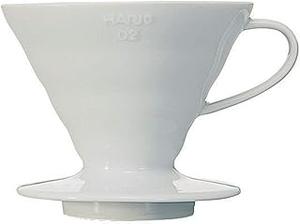 Check Price Check Price |
|
|
|
Kalita Wave Stainless Steel Dripper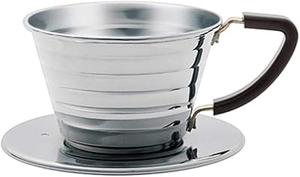 Check Price Check Price |
|
|
|
| Chemex Classic Series Glass Coffee MakerCheck Price |
|
|
|
| Bee House Ceramic Coffee DripperCheck Price |
|
|
|
| Yama Glass Drip Coffee MakerCheck Price |
|
|
|
Best Manual Drip Coffee Makers
Hario V60 Ceramic Coffee Dripper
Oh, the Hario V60 is a classic! It’s basically the go-to choice if you love the ritual of making coffee manually. The ceramic keeps your water hot, the cone shape guides the flow perfectly, and honestly, once you get the pouring rhythm down, your coffee will taste so clean and vibrant. It’s a bit delicate, so don’t go juggling it, and yeah, you do need paper filters, but the payoff is totally worth it. Every cup feels like a mini coffee ceremony.
Features:
- Cone-shaped design for optimal extraction
- Ceramic material retains heat well
- Single-cup or multiple-cup options
- Requires paper filters
Pros:
- Excellent flavor clarity
- Easy to clean
- Durable ceramic construction
Cons:
- Can be fragile if dropped
- Paper filters add recurring cost
- Requires careful pouring technique
Kalita Wave Stainless Steel Dripper
The Kalita Wave is like the calm, steady friend of manual brewing. Its flat-bottom design and wavy ridges make sure your coffee comes out evenly every single time, so even if you’re not a pour-over wizard yet, you’ll get solid results. Stainless steel means it’s tough and reusable, which is awesome if you hate constantly buying filters. It’s not the prettiest piece on your counter, but it’s reliable and you’ll love the taste consistency.
Features:
- Flat-bottom design for even extraction
- Wavy ridges for consistent flow
- Stainless steel build, reusable filters
- Available in 155 and 185 sizes
Pros:
- Even extraction, no over-extraction
- Durable and reusable
- Simple, forgiving design for beginners
Cons:
- Not as aesthetically delicate as ceramic
- Slight learning curve for optimal pouring
- Can retain some heat less efficiently than ceramic
Chemex Classic Series Glass Coffee Maker
Ah, the Chemex – it’s part coffee maker, part art piece. Seriously, people display this thing in kitchens like it’s a trophy. The thick paper filters remove almost all oils, so your coffee ends up crystal clear and delicate. It’s a bit fragile, yes, and the special filters aren’t cheap, but watching coffee slowly cascade through the Chemex is oddly hypnotic. Plus, you can make multiple cups in one go without too much hassle. It’s the kind of coffee maker that makes your morning feel fancy even if you’re still half asleep.
Features:
- Elegant hourglass design
- Borosilicate glass resists heat
- Thick proprietary paper filters
- Available in multiple sizes
Pros:
- Beautiful design, a statement piece
- Produces very clean coffee
- Easy to use for multiple cups
Cons:
- Fragile glass, careful handling needed
- Filters are proprietary and pricey
- Bulky compared to other drippers
Bee House Ceramic Coffee Dripper
The Bee House dripper is like the quiet achiever in the world of manual coffee. It’s ceramic, stable, and has a flat-bottom design that makes brewing pretty forgiving even if your pouring skills aren’t perfect yet. It’s simple, doesn’t scream for attention like a Chemex, but the coffee? Oh, it’s delicious. You just have to be mindful of the pour and heat, and suddenly, mornings become a little ritual that’s soothing and surprisingly fun.
Features:
- Japanese design with flat-bottom dripper
- Small holes for controlled extraction
- Ceramic construction retains heat
- Compatible with standard filters
Pros:
- Great flavor clarity
- Stable brewing, forgiving design
- Affordable and durable
Cons:
- Not widely available in all markets
- Requires a steady pour
- Single-color ceramic may not suit all kitchens
Yama Glass Drip Coffee Maker
The Yama Glass Drip Coffee Maker is basically a showstopper. Imagine hand-blown glass, a classy stand, and a decanter that feels like it belongs in a modern art gallery rather than a kitchen. It takes a bit longer to brew your coffee, but watching the water drip slowly, controlling every pour – it’s oddly meditative. Sure, it’s delicate and pricier than your average ceramic dripper, but if making coffee is part of your morning theater, this one delivers both flavor and style in spades.
Features:
- Hand-blown borosilicate glass
- Elegant stand and decanter included
- Supports multiple cups
- Uses standard paper filters
Pros:
- Beautiful, eye-catching design
- Full control over brewing
- Produces flavorful, clean coffee
Cons:
- Fragile glass, careful handling required
- Takes longer to brew
- More expensive than basic drippers
Why Buy Manual Drip Coffee Makers
The allure of manual drip coffee makers lies in the control, flavor, and experience they provide. First and foremost, they allow you to tailor every aspect of your coffee to suit your preferences. From the grind size and coffee-to-water ratio to the pace and technique of pouring, each step is adjustable. This flexibility can bring out subtle flavors and aromas that might otherwise remain muted in a standard automatic machine.
Another reason to consider a manual drip brewer is durability and simplicity. With fewer moving parts and no electrical components, these machines tend to last longer and require less maintenance. They are perfect for people who appreciate sustainability or want a reliable brewing method in situations where electricity is limited, such as camping or travel.
Finally, the ritualistic nature of manual brewing adds a unique dimension to your coffee routine. It’s a slow, deliberate process that encourages mindfulness and appreciation for the craft. Many coffee aficionados find that this intentional approach enhances the overall enjoyment of their beverage, turning an everyday habit into a refined ritual.
How To Choose The Right Machine?
Selecting the ideal manual drip coffee maker requires consideration of both practical and personal factors. Begin by evaluating capacity: do you usually brew a single cup, or do you need a machine that accommodates multiple servings at once? Some models are designed for one or two cups, perfect for solo mornings, while larger brewers can serve an entire household.
Material is another critical consideration. Glass, ceramic, stainless steel, and even high-quality plastic each have unique advantages. Glass and ceramic are preferred for their neutrality in flavor and elegant appearance, whereas stainless steel offers durability and heat retention.
Ease of use and design should also influence your choice. Some manual drippers, like the iconic V60, require precise pouring techniques, whereas others, like cone-style or flat-bottom drippers, are more forgiving. Consider your comfort level and willingness to experiment before committing to a particular model.
Finally, assess compatibility with filters. Some machines require specific paper filters, while others allow reusable metal or cloth options, which can influence both convenience and sustainability.
Top Features To Look For In Manual Drip Coffee Makers
When evaluating manual drip coffee makers, certain features can significantly impact the brewing experience:
- Drip Control – Precision in water flow is crucial. Machines with a narrow spout or controlled pour mechanism allow even saturation of coffee grounds, which affects extraction and flavor balance.
- Heat Retention – Materials like ceramic and stainless steel hold heat better, ensuring consistent brewing temperature throughout the process.
- Filter Compatibility – Flexibility in filter choice (paper, cloth, or metal) can influence taste, ease of cleaning, and environmental impact.
- Design and Stability – A well-designed base and dripper reduce spillage and maintain consistent alignment during brewing.
- Ease of Handling – Comfortable handles, ergonomic shapes, and lightweight construction improve usability, especially during slow, deliberate pours.
- Aesthetic Appeal – While not essential for flavor, a visually pleasing brewer enhances the overall experience, particularly if the coffee ritual is part of your morning routine.
Tips For Using Manual Drip Coffee Makers
Mastering manual drip coffee takes patience, but these tips can elevate your results:
- Pre-wet your filter – This removes paper taste and preheats your dripper.
- Use fresh, high-quality coffee – Grinding just before brewing preserves essential oils and aromatic compounds.
- Control water temperature – Ideally between 195°F and 205°F (90-96°C). Too hot, and you risk bitterness; too cool, and extraction will be weak.
- Pour in stages – Slowly saturate coffee grounds in a circular motion to ensure even extraction.
- Adjust grind size and ratio – Fine-tune these based on taste: coarser for slower extraction, finer for richer flavor.
- Practice consistency – Repetition improves technique, allowing for more predictable and enjoyable results.
Maintenance And Cleaning Tips
Proper care ensures longevity and consistent performance:
- Daily Cleaning – Rinse the dripper with warm water and remove coffee residues. Avoid soap if using ceramic or glass, as it can leave a residual taste.
- Weekly Deep Clean – Soak parts in a mixture of vinegar and water to remove mineral buildup.
- Filter Care – If using reusable filters, clean immediately after each brew to prevent clogging and stale flavors.
- Avoid Abrasive Scrubbers – Gentle cleaning preserves surfaces and avoids scratches that may harbor bacteria or affect taste.
- Storage – Keep in a dry area to prevent mold, especially if using cloth filters.
Where To Buy Manual Drip Coffee Makers
Manual drip coffee makers are widely available both online and in specialty stores. Online marketplaces such as Amazon, eBay, and specialty coffee retailers provide a broad selection, along with customer reviews to guide your choice. For hands-on experience, visiting coffee equipment stores or barista shops allows you to handle products, assess weight, and observe designs in person. Specialty cafes sometimes sell high-end brewers used in-house, giving you access to professional-grade options. Local kitchenware stores also carry reliable models, often suitable for beginners.
Final Words
Manual drip coffee makers are not merely tools-they are gateways into a deeper appreciation of coffee. They reward patience and attention, allowing you to explore subtle flavor nuances and refine your brewing technique. Whether you are a novice looking to expand your coffee repertoire or a connoisseur seeking ultimate control, these brewers elevate the simple act of making coffee into an art form.
The process can be meditative, almost ritualistic, transforming your kitchen into a personal coffee haven. Beyond taste, the act of crafting each cup by hand fosters a connection to the beverage that automated machines rarely replicate. In short, investing in a manual drip coffee maker is an investment in both quality and experience.