
Best Non-electric Coffee Makers [BUYER GUIDE]
Note: This page contains affiliate links.
As an Amazon Associate, I earn from qualifying purchases when you click on the link, but you are not charged extra.
In a world increasingly dominated by high-tech gadgets and automated conveniences, there remains a special charm in the simplicity of manual, non-electric coffee makers. These devices reconnect us with the art and ritual of coffee brewing, offering a tactile, immersive experience that electric machines often lack. Whether it’s the slow, meditative drip of a pour-over, the robust pressure of a French press, or the timeless elegance of a stovetop moka pot, non-electric coffee makers celebrate coffee as more than a beverage-they make it an experience. Beyond the sensory delight, they offer versatility, durability, and portability, catering to coffee enthusiasts who value both quality and control over their brew.
Top 5 Must-Try Coffee Lineup
- Old World Christmas Beans: Tastes like the holidays in every cup — discover the cozy magic of Old World Christmas Beans before the season slips away.
- Kirkland Sumatra French Roast : Dark, bold, and wildly smooth—why Kirkland’s Sumatra French Roast is the best-kept secret of serious coffee drinkers.
- Hot Fudge Whole Bean Coffee : What happens when dessert meets coffee? Meet the decadent whole bean that tastes like hot fudge—but better.
- Aroma Ridge Guatemala Antigua Medium Roast : From the highlands of Guatemala to your morning mug—this rich, balanced roast is waking up coffee lovers everywhere.
- Juan Valdez Cumbre Colombian Coffee : Crafted by Colombia’s most iconic coffee legend—why Cumbre is a must-try for fans of bold, authentic flavor.
Contents
- 1 Best Non-electric Coffee Makers: Comparison Table
- 2 Best Non-electric Coffee Makers
- 3 Why Buy Non-electric Coffee Makers
- 4 How To Choose The Right Machine?
- 5 Top Features To Look For In Non-electric Coffee Makers
- 6 Tips For Using Non-electric Coffee Makers
- 7 Maintenance And Cleaning Tips
- 8 Where To Buy Non-electric Coffee Makers
- 9 Final Words
Best Non-electric Coffee Makers: Comparison Table
| Features | Pros | Cons | |
|---|---|---|---|
Pour-Over Coffee Maker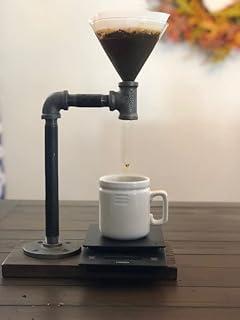 Check Price Check Price |
|
|
|
| French PressCheck Price |
|
|
|
| AeroPressCheck Price |
|
|
|
| Moka PotCheck Price |
|
|
|
| PercolatorCheck Price |
|
|
|
Best Non-electric Coffee Makers
Pour-Over Coffee Maker
Pour-over coffee makers are a classic way of brewing coffee that gives you a lot of control over the final taste. The idea is simple: you place a filter in the dripper, add coffee grounds, and pour hot water slowly over the grounds in a circular motion. It gives you the ability to adjust the strength and flavor of the coffee to your exact preferences. However, it can take a bit longer and requires more attention to detail than other methods. If you don’t mind the process and love a clean, flavorful cup, this could be your ideal match.
Features:
- Manual brewing
- Requires a coffee dripper and filter
- Made of ceramic, glass, or plastic
- Brews coffee one cup at a time
- Highly customizable brew strength
Pros:
- Great control over brewing
- Produces clean and flavorful coffee
- Affordable
- Can make a single cup or more
Cons:
- Requires attention to detail
- Can take longer than other methods
- Needs filters
- Can be tricky to master
French Press
The French Press is probably one of the most popular manual coffee makers out there. It’s known for making bold, full-bodied coffee with a smooth texture, and it doesn’t require any electricity. You simply add coarse coffee grounds, pour in hot water, stir, wait a few minutes, and press down the plunger. It’s super simple and affordable, and it’s easy to take anywhere. However, cleaning it can be a hassle, and if you’re not careful, you might end up with grounds in your cup, which is a common issue. Also, the glass versions can break pretty easily if you’re not careful.
Features:
- Manual brewing
- Glass or stainless steel construction
- Plunger with mesh filter
- Brews coffee in 4-5 minutes
- Simple operation
Pros:
- Produces rich, full-bodied coffee
- Simple to use
- Affordable
- Easily portable
Cons:
- Can be difficult to clean
- Prone to breaking if made of glass
- Coffee grounds can get into the brew if not used properly
AeroPress
The AeroPress is an incredibly popular and portable coffee maker, perfect for travel or camping. It’s made of sturdy plastic, and it brews a strong and smooth cup of coffee in a matter of minutes. If you’re the kind of person who’s always on the go, this is a solid option. Plus, it’s very easy to clean-just rinse it out and you’re done! The main downside is that it only brews a small amount of coffee at a time, so it might not be great if you’re making coffee for multiple people.
Features:
- Manual brewing
- Compact and lightweight
- Made of durable plastic
- Comes with a filter for smooth coffee
- Brews coffee in about 1-2 minutes
Pros:
- Quick brew time
- Portable and lightweight
- Easy to clean
- Creates smooth and rich coffee
Cons:
- Small capacity
- Some people don’t like the need for paper filters
- Requires a bit of technique for consistency
Moka Pot
Moka pots are loved by coffee enthusiasts for creating a rich, espresso-like coffee, even though it’s not technically espresso. They work by using steam pressure to force hot water through the coffee grounds. It’s a fun and rewarding process, and the coffee is seriously rich and full of flavor. But, getting the technique just right can take some practice, and if you’re not careful, you might end up burning the coffee. Plus, it only brews a small amount at once, so it’s best suited for one or two people.
Features:
- Stovetop brewing
- Aluminum or stainless steel body
- Creates strong, espresso-style coffee
- Brews coffee in about 5 minutes
- Uses pressure to brew coffee
Pros:
- Produces rich, espresso-like coffee
- Durable
- Affordable
- Easy to use once you get the hang of it
Cons:
- Can be tricky to use for beginners
- Can burn coffee if left unattended
- Requires stove or heat source
- Not great for making large amounts of coffee
Percolator
Percolators are a classic method for brewing large amounts of coffee, often seen in camping trips or family gatherings. The process involves water being heated and cycled through the coffee grounds multiple times, which can result in a rich, bold brew. It’s great if you’re brewing for a crowd, but the process can sometimes lead to bitterness if you don’t pay attention to the brewing time. Additionally, it requires more effort to clean compared to other non-electric coffee makers.
Features:
- Stovetop or campfire brewing
- Metal body (often stainless steel)
- Water is cycled through coffee grounds multiple times
- Brews coffee in about 10 minutes
- Large capacity for brewing multiple cups
Pros:
- Brews a large quantity of coffee
- Rich flavor due to repeated cycling
- Durable
- Ideal for camping or group settings
Cons:
- Can produce bitter coffee if over-brewed
- Takes longer to brew
- Requires more maintenance and cleaning
- Coffee flavor can be inconsistent if not monitored closely
Why Buy Non-electric Coffee Makers
Non-electric coffee makers offer a range of benefits that extend beyond mere nostalgia. First and foremost, they grant complete control over the brewing process. Unlike automatic machines that dictate brewing temperature, time, or pressure, manual devices allow you to adjust every variable to suit your taste.
Another significant advantage is portability. Whether you’re camping, traveling, or simply enjoying a morning on the balcony, non-electric coffee makers are lightweight and easy to carry, requiring nothing more than hot water to operate. They are also energy-efficient, requiring no electricity, which is both environmentally friendly and cost-effective.
Durability is another compelling reason to invest in a manual coffee maker. With fewer electronic components prone to failure, these devices can last for years, often decades, with proper care. Finally, non-electric coffee makers appeal to those seeking mindfulness in their daily routines. The process of making coffee manually fosters a deeper connection to the beverage, transforming the mundane act of brewing into a small, personal ritual.
How To Choose The Right Machine?
Selecting the perfect non-electric coffee maker requires understanding your coffee preferences and lifestyle. Start by identifying the style of coffee you enjoy most. French press machines produce a strong, full-bodied brew, while pour-over devices emphasize clarity and nuanced flavors. Moka pots offer a concentrated espresso-like experience, whereas percolators deliver a classic, robust cup reminiscent of traditional diner coffee.
Consider the capacity you need. Are you brewing for yourself, for a couple, or a larger group? Small-scale devices may be perfect for solo drinkers, but families or gatherings demand larger capacity machines. Material is equally crucial; stainless steel or high-quality glass ensures durability and heat retention, while plastic alternatives may be lighter but less long-lasting. Finally, assess ease of use and cleaning. Some designs prioritize aesthetic appeal but may be complex to dismantle or maintain.
Top Features To Look For In Non-electric Coffee Makers
When evaluating non-electric coffee makers, a few key features can significantly enhance your brewing experience:
- Material and Build Quality: Stainless steel, borosilicate glass, and high-grade plastics ensure longevity and safety.
- Ease of Use: Devices with intuitive assembly, clear markings, and ergonomic handles make the process more enjoyable.
- Portability: Lightweight and compact designs allow for use anywhere, from kitchens to camping trips.
- Temperature Control: Some manual devices, like certain pour-overs, allow precise control over water temperature, crucial for flavor extraction.
- Brewing Versatility: Adjustable filters, multiple size options, and compatibility with various coffee grinds offer flexibility.
- Aesthetic Appeal: Beyond function, many coffee makers serve as stylish countertop accessories, blending seamlessly with home décor.
Tips For Using Non-electric Coffee Makers
Mastering the art of manual coffee brewing can elevate your experience:
- Use Fresh, High-quality Beans: Freshly roasted beans ground just before brewing enhance flavor and aroma.
- Mind Your Water Temperature: Aim for water between 195°F and 205°F; too hot can scald the coffee, too cold results in under-extraction.
- Control Brew Time: Each method has an optimal brewing time-French press typically 4 minutes, pour-over around 3 minutes, and moka pot 4-5 minutes.
- Experiment with Grind Size: Adjust grind size to fine-tune extraction; coarser for French press, medium for pour-over, and fine for moka pots.
- Pre-wet Filters: For paper filters, rinsing with hot water eliminates unwanted paper taste and preheats the brewer.
Maintenance And Cleaning Tips
Regular maintenance ensures both the longevity of your coffee maker and the quality of each cup:
- Daily Cleaning: Rinse components immediately after use to prevent coffee residue buildup.
- Deep Cleaning: Periodically use a mixture of water and vinegar or specialized coffee cleaner to remove mineral deposits.
- Avoid Abrasive Scrubbing: Use soft brushes or cloths to protect delicate surfaces like glass or non-stick interiors.
- Dry Thoroughly: Prevent mold or mildew by ensuring all parts are completely dry before storage.
- Check for Wear and Tear: Replace filters, gaskets, and seals as needed to maintain optimal performance.
Where To Buy Non-electric Coffee Makers
Non-electric coffee makers are widely available through multiple channels:
- Online Retailers: Amazon, specialty coffee sites, and e-commerce platforms offer a broad selection, often with customer reviews for informed choices.
- Coffee Shops and Specialty Stores: Many cafés and local coffee boutiques stock high-quality manual brewers and provide hands-on advice.
- Department Stores: Large retailers typically carry popular models like French presses, pour-overs, and moka pots.
- Second-hand or Vintage Stores: Antique shops or thrift stores may have unique, classic models with exceptional build quality.
Final Words
Choosing a non-electric coffee maker is more than selecting a kitchen tool-it’s embracing a lifestyle of deliberate, mindful enjoyment. These devices empower coffee enthusiasts to explore flavor nuances, experiment with techniques, and engage deeply with the ritual of brewing. With the right care and attention, a non-electric coffee maker can provide years of rich, satisfying coffee experiences.