
Best Coffee Machines For A Cafe [BUYER GUIDE]
Note: This page contains affiliate links.
As an Amazon Associate, I earn from qualifying purchases when you click on the link, but you are not charged extra.
In today’s highly competitive café industry, serving exceptional coffee is no longer optional-it is essential. Customers walk into cafés not just for caffeine, but for an experience defined by flavor, aroma, consistency, and presentation. At the heart of this experience lies one crucial investment: the coffee machine. A high-quality coffee machine does far more than brew coffee; it becomes the engine of daily operations, the foundation of beverage quality, and a defining factor in customer satisfaction. Whether you are opening a new café or upgrading existing equipment, choosing the right coffee machine can significantly influence efficiency, profitability, and brand reputation.
Top 5 Must-Try Coffee Lineup
- Old World Christmas Beans: Tastes like the holidays in every cup — discover the cozy magic of Old World Christmas Beans before the season slips away.
- Kirkland Sumatra French Roast : Dark, bold, and wildly smooth—why Kirkland’s Sumatra French Roast is the best-kept secret of serious coffee drinkers.
- Hot Fudge Whole Bean Coffee : What happens when dessert meets coffee? Meet the decadent whole bean that tastes like hot fudge—but better.
- Aroma Ridge Guatemala Antigua Medium Roast : From the highlands of Guatemala to your morning mug—this rich, balanced roast is waking up coffee lovers everywhere.
- Juan Valdez Cumbre Colombian Coffee : Crafted by Colombia’s most iconic coffee legend—why Cumbre is a must-try for fans of bold, authentic flavor.
Contents
- 1 Best Coffee Machines For A Cafe: Comparison Table
- 2 Best Coffee Machines For A Cafe
- 3 Why Buy Coffee Machines For A Café
- 4 How To Choose The Right Machine?
- 5 Top Features To Look For In Coffee Machines For A Café
- 6 Tips For Using Coffee Machines For A Café
- 7 Maintenance And Cleaning Tips
- 8 Where To Buy Coffee Machines For A Café
- 9 Final Words
Best Coffee Machines For A Cafe: Comparison Table
| Features | Pros | Cons | |
|---|---|---|---|
Nuova Simonelli Aurelia Wave Check Price Check Price |
|
|
|
| La Marzocco Linea PBCheck Price |
|
|
|
| Victoria Arduino Black EagleCheck Price |
|
|
|
| Rocket Espresso R9Check Price |
|
|
|
| Synesso MVP HydraCheck Price |
|
|
|
Best Coffee Machines For A Cafe
Nuova Simonelli Aurelia Wave
The Nuova Simonelli Aurelia Wave is a barista’s dream. It’s packed with smart features like a touchscreen interface that makes it super easy to adjust settings, and it even takes care of its own cleaning schedule. Plus, the machine is designed to be energy-efficient, so it’s kind on your electric bill. It’s perfect for cafes that want consistency and efficiency, but be ready to deal with the learning curve at first, especially if you’re new to high-end machines. The price tag is also on the higher end, but for a quality espresso machine, it’s a solid investment.
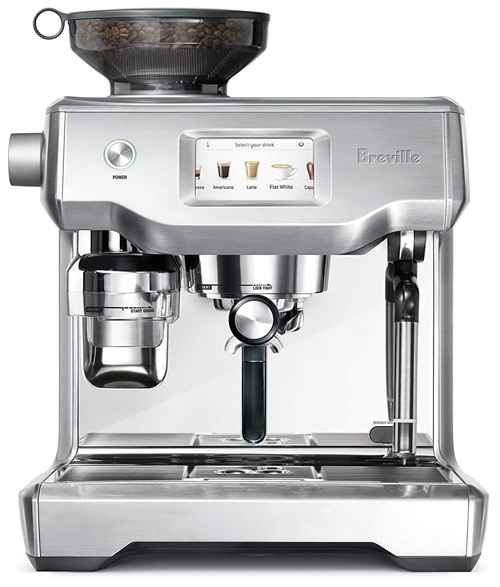
Features:
- TFT touch screen, volumetric and manual dosing, automatic cleaning, energy-saving features.
Pros:
- User-friendly, easy to maintain, great consistency, stylish, and energy-efficient.
Cons:
- A bit complex to set up, high upfront cost, can be tricky to repair without professional help.
La Marzocco Linea PB
If you’re serious about serving top-tier espresso with precision and reliability, the La Marzocco Linea PB is the machine for you. It’s built like a tank and offers an amazing level of customization, with dual boilers that allow you to steam milk and pull shots simultaneously. You can adjust the temperature and pressure, which means you’re always in control of the perfect brew. The downside? It’s not exactly cheap and takes up a lot of space, so make sure you’ve got the room and the budget for it. But if you’re aiming for high-end performance, it’s hard to beat.
Features:
- Dual boiler, PID temperature control, volumetric dosing, pre-infusion, and programmable profiles.
Pros:
- Consistently great espresso, incredibly durable, customizable profiles for different drinks, sleek design.
Cons:
- Expensive, requires experienced baristas to fully utilize its features, large footprint.
Victoria Arduino Black Eagle
If you want precision and versatility, the Victoria Arduino Black Eagle is one to look at. This machine is a real work of art, with T3 technology that ensures consistent water temperature, regardless of pressure. It’s designed with the needs of professional baristas in mind, offering features like pressure profiling and separate boilers. That means you get maximum control over your brew. However, its advanced features might take a little time to master if you’re not used to working with high-end gear. Plus, it requires some space, so keep that in mind before you make the purchase.
Features:
- T3 technology, separate boilers, pressure profiling, ergonomic design, and advanced temperature stability.
Pros:
- Incredible temperature control, beautiful design, allows for creative espresso making, very reliable.
Cons:
- Takes up space, not ideal for small spaces, steep learning curve for beginners.
Rocket Espresso R9
For a cafe that wants incredible espresso without sacrificing aesthetics, the Rocket Espresso R9 is a top contender. It’s got dual boilers, so you can steam and brew at the same time, and its PID controller keeps things at the perfect temperature. The espresso quality it produces is fantastic – rich, smooth, and full of flavor. However, the price is on the higher end, and it lacks some of the more automated features found in other models, like automatic milk frothing. But if you’ve got a skilled barista behind the machine, this one is a beauty that delivers consistent performance every time.
Features:
- Dual boilers, PID, LED display, pre-infusion, and volumetric controls.
Pros:
- Exceptional espresso quality, sleek design, stable performance, great for high-volume cafes.
Cons:
- Pricey, not as many automation features as some competitors, heavy.
Synesso MVP Hydra
The Synesso MVP Hydra is a powerhouse for cafes that like to get creative with their coffee offerings. Its individual group temperature control means you can dial in the exact temperature for each shot, and the customizable flow rate gives you full control over how your espresso is extracted. It’s perfect for a cafe that serves a range of espresso drinks, as you can fine-tune the machine for different beverages. The downside? It’s a hefty investment, and you’ll need a skilled team to manage the settings properly. It’s also pretty big, so make sure you’ve got room for it. But if you’re up for the challenge, this machine will deliver a world-class espresso experience.
Features:
- Individual group temperature control, customizable flow rate, pre-infusion, volumetric and manual dosing.
Pros:
- Highly customizable, great for cafes with complex menus, excellent temperature control, and flow rate adjustments.
Cons:
- Expensive, requires technical expertise to fine-tune, larger footprint.
Why Buy Coffee Machines For A Café
Purchasing a professional coffee machine for a café is a strategic business decision rather than a simple equipment purchase. Commercial coffee machines are specifically designed to handle high-volume usage, maintain consistent brewing standards, and operate reliably throughout long service hours.
First, consistency is critical. Customers expect the same taste and quality every time they order their favorite drink. Professional coffee machines ensure precise temperature control, accurate pressure levels, and consistent extraction, all of which are difficult to achieve with domestic machines.
Second, speed and efficiency are vital in a café setting. During peak hours, long wait times can drive customers away. Commercial machines are built to prepare multiple drinks simultaneously, helping staff serve customers quickly without compromising quality.
Finally, investing in a café-grade coffee machine enhances credibility and brand image. Customers associate professional equipment with expertise and quality, reinforcing trust in your café and encouraging repeat visits.
How To Choose The Right Machine?
Selecting the right coffee machine for your café requires careful evaluation of your business needs, menu offerings, and long-term goals. The first consideration should be your café’s volume. A small boutique café may require a single-group espresso machine, while a high-traffic location will benefit from a two- or three-group machine capable of handling continuous demand.
Menu diversity is another crucial factor. If your café offers a wide range of espresso-based drinks, specialty beverages, or milk-heavy options, you will need a machine with strong steam performance and programmable settings. Fully automatic machines may be ideal for cafés focused on speed and consistency, while semi-automatic or manual machines are better suited for specialty cafés that emphasize craftsmanship and barista skill.
Budget and scalability should also be considered. While premium machines require a higher upfront investment, they often deliver better durability, lower maintenance costs, and room for growth as your café expands.
Top Features To Look For In Coffee Machines For A Café
When choosing a coffee machine, certain features can dramatically improve workflow, beverage quality, and ease of use.
Temperature stability is one of the most important features. Machines with advanced boiler systems or PID controllers ensure water stays within the ideal brewing range, preventing under- or over-extraction.
Programmability allows baristas to save recipes and brewing parameters, ensuring consistency even during staff changes. This is particularly valuable in busy cafés with multiple employees.
Strong steam wands and milk frothing systems are essential for cafés that serve lattes, cappuccinos, and other milk-based drinks. High-quality steam power improves texture, speed, and overall presentation.
Durability and build quality should not be overlooked. Stainless steel components, commercial-grade boilers, and reinforced internal parts ensure the machine can withstand constant daily use.
Tips For Using Coffee Machines For A Café
Proper usage is just as important as choosing the right machine. Staff training should be a top priority. Even the most advanced coffee machine will not perform well if baristas do not understand extraction techniques, grind adjustments, and milk texturing.
Consistency in workflow improves efficiency. Establishing standard operating procedures for drink preparation, cleaning, and shutdown routines reduces errors and maintains quality throughout the day.
Monitoring performance is also essential. Regularly tasting drinks, checking extraction times, and adjusting grind size ensures the machine continues to deliver optimal results as beans and environmental conditions change.
Maintenance And Cleaning Tips
Routine maintenance is critical to preserving the lifespan and performance of your coffee machine. Daily cleaning tasks should include backflushing espresso groups, wiping steam wands after each use, and emptying drip trays.
Weekly and monthly maintenance involves deeper cleaning of brew groups, descaling boilers, and inspecting seals and gaskets for wear. Ignoring these steps can lead to mineral buildup, inconsistent brewing, and costly repairs.
Using filtered water significantly reduces scale buildup and improves coffee flavor. Many cafés invest in water filtration systems to protect their machines and maintain consistent taste quality.
Scheduling professional servicing at regular intervals ensures internal components remain in excellent condition and prevents unexpected breakdowns during peak business hours.
Where To Buy Coffee Machines For A Café
Coffee machines for cafés can be purchased from specialized commercial equipment suppliers, authorized brand dealers, and reputable online retailers. Buying from authorized dealers ensures access to warranties, genuine parts, and professional installation services.
Many suppliers also offer leasing or financing options, which can ease the initial financial burden while allowing cafés to access high-end machines. Additionally, working with suppliers who provide training and after-sales support adds long-term value to your investment.
Trade shows and industry expos are also excellent places to explore different models, compare brands, and speak directly with manufacturers and technicians.
Final Words
A coffee machine is more than just a piece of equipment-it is the backbone of your café’s operations and a direct contributor to customer satisfaction. Choosing the right machine, using it correctly, and maintaining it diligently can elevate your café’s performance and reputation in a crowded marketplace.
By understanding your needs, prioritizing quality features, and committing to proper care, you set the foundation for consistent, high-quality coffee that keeps customers coming back.