
Best Vintage Coffee Machines [BUYER GUIDE]
Note: This page contains affiliate links.
As an Amazon Associate, I earn from qualifying purchases when you click on the link, but you are not charged extra.
The world of coffee is as much about ritual and experience as it is about flavor. In recent years, the allure of vintage coffee machines has captured the hearts of coffee enthusiasts, collectors, and interior design aficionados alike. Unlike modern machines that prioritize convenience and automation, vintage coffee machines evoke a sense of nostalgia, craftsmanship, and character. Each machine tells a story-of the era it was produced, the technology it utilized, and the people who cherished it. Owning a vintage coffee machine is not just about brewing a cup of coffee; it’s about engaging with a piece of history, celebrating the artistry of design, and elevating your coffee ritual into a sensory experience.
Top 5 Must-Try Coffee Lineup
- Old World Christmas Beans: Tastes like the holidays in every cup — discover the cozy magic of Old World Christmas Beans before the season slips away.
- Kirkland Sumatra French Roast : Dark, bold, and wildly smooth—why Kirkland’s Sumatra French Roast is the best-kept secret of serious coffee drinkers.
- Hot Fudge Whole Bean Coffee : What happens when dessert meets coffee? Meet the decadent whole bean that tastes like hot fudge—but better.
- Aroma Ridge Guatemala Antigua Medium Roast : From the highlands of Guatemala to your morning mug—this rich, balanced roast is waking up coffee lovers everywhere.
- Juan Valdez Cumbre Colombian Coffee : Crafted by Colombia’s most iconic coffee legend—why Cumbre is a must-try for fans of bold, authentic flavor.
Whether you are a seasoned barista, a home coffee enthusiast, or someone who appreciates timeless design, vintage coffee machines offer a unique combination of aesthetic appeal and mechanical ingenuity that modern machines often lack. From gleaming chrome exteriors to meticulously engineered levers and pressure systems, these machines stand as a testament to a time when coffee-making was as much an art as it was a science.
Contents
- 1 Best Vintage Coffee Machines: Comparison Table
- 2 Best Vintage Coffee Machines
- 3 Why Buy Vintage Coffee Machines
- 4 How To Choose The Right Machine?
- 5 Top Features To Look For In Vintage Coffee Machines
- 6 Tips For Using Vintage Coffee Machines
- 7 Maintenance And Cleaning Tips
- 8 Where To Buy Vintage Coffee Machines
- 9 Final Words
Best Vintage Coffee Machines: Comparison Table
| Features | Pros | Cons | |
|---|---|---|---|
La Pavoni Europiccola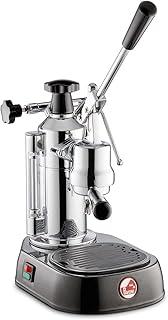 Check Price Check Price |
|
|
|
| Gaggia ClassicCheck Price |
|
|
|
| Saeco GranBaristo HD8967/47Check Price |
|
|
|
| Faema E61Check Price |
|
|
|
| Olympia CreminaCheck Price |
|
|
|
Best Vintage Coffee Machines
La Pavoni Europiccola
The La Pavoni Europiccola is a true classic that looks as though it belongs in a retro Italian cafe. This is a lever espresso machine that lets you feel like a barista every time you brew a cup. It’s solidly built from chrome-plated brass and stainless steel, meaning it can last for decades if cared for. The 1-liter capacity is perfect for personal use or a small gathering, though the lever action can be tricky for newcomers. But once you get the hang of it, the rich espresso it produces will have you feeling like you’re in a café on the streets of Milan.
Features:
- Lever action
- Chrome-plated brass
- Stainless steel
- Pressure gauge
- 1-liter capacity
Pros:
- Elegant and timeless design
- Produces rich, flavorful espresso
- Great for enthusiasts who enjoy the process
- Solid, durable build
Cons:
- Requires some skill to operate
- Can be a bit slow for busy mornings
- The lever can be hard to master for beginners
Gaggia Classic
The Gaggia Classic is a powerhouse that packs professional-level espresso-making abilities into a home-sized machine. It’s a vintage gem with a stainless steel housing that offers durability and a professional feel. The 15-bar pump pressure and commercial-style portafilter ensure that your espresso comes out rich and full of flavor. Plus, the steam wand lets you froth milk for all your favorite espresso-based drinks. While it requires a little learning curve, once you get used to it, you’ll be brewing café-quality drinks like a pro.
Features:
- Commercial-style portafilter
- 15-bar pump pressure
- Stainless steel housing
- Dual-purpose filter holder
- Steam wand for frothing
Pros:
- High-quality espresso
- Built to last with a durable design
- Steam wand for lattes and cappuccinos
- Compact and fits most kitchens
Cons:
- Can be a bit loud
- Requires some attention to maintenance
- Steam wand can be hard to master for beginners
Saeco GranBaristo HD8967/47
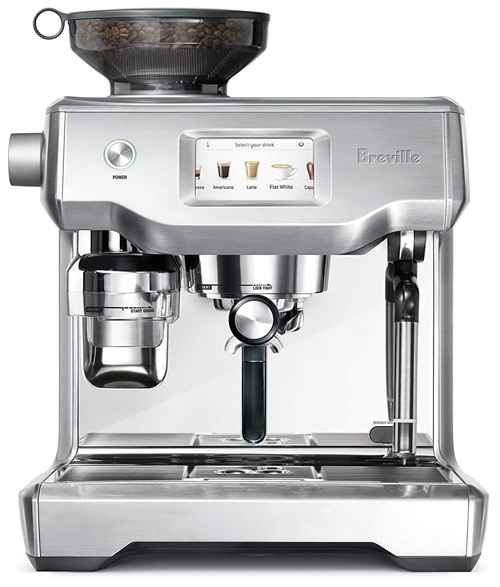
The Saeco GranBaristo is a fully automatic espresso machine with all the bells and whistles you’d expect from a modern classic. This machine brings vintage charm with a sleek, user-friendly touchscreen interface, allowing you to fine-tune your coffee to your heart’s desire. From grinding your beans with its ceramic grinders to frothing milk with precision, it makes creating espresso-based drinks a breeze. However, it’s on the pricier side, and its large size means it takes up some serious counter real estate. If you’ve got space and budget, this machine can take your home café to the next level.
Features:
- Fully automatic
- Ceramic grinders
- Milk frothing system
- Touchscreen interface
- Adjustable coffee strength
Pros:
- Automatic operation for ease of use
- Customizable drink settings
- Excellent quality espresso and milk foam
- High-tech but still feels vintage
Cons:
- Expensive
- Takes up more counter space
- Cleaning can be time-consuming
Faema E61
The Faema E61 is a true vintage icon in the world of espresso machines. It’s semi-automatic, which means you get a little more control over the brewing process without going fully manual. The E61 group head is a hallmark of quality, ensuring that your espresso is always brewed at the perfect temperature. With a 3-liter water reservoir and a heat exchange boiler, you can brew shot after shot of espresso or steam milk without waiting around. While the machine is quite heavy and a bit of an investment, it’s a favorite for espresso lovers who value quality and history.
Features:
- Semi-automatic
- Heat exchange boiler
- E61 group head
- Brushed stainless steel body
- 3-liter water reservoir
Pros:
- Legendary machine known for quality
- Great for espresso and lattes
- Durable and easy to maintain
- Iconic, beautiful design
Cons:
- Heavy and bulky
- Requires some learning
- Higher price point
Olympia Cremina
The Olympia Cremina is an understated gem, a manual lever espresso machine that’s loved by enthusiasts for its exceptional espresso quality. It’s made with a brass boiler and has a sleek stainless steel frame, making it as durable as it is beautiful. The small size fits well in most kitchens, and it’s incredibly easy to maintain, which is always a plus. However, it’s definitely for those who enjoy the hands-on experience of pulling the perfect shot with the lever action. If you’re used to automatic machines or want to froth milk, this may not be the machine for you, as it lacks a steam wand.
Features:
- Manual lever machine
- Brass boiler
- Stainless steel frame
- Portafilter with spring lever
- Small size
Pros:
- Super high-quality espresso
- Compact and sturdy
- Beautiful design
- Easy to maintain
Cons:
- Takes time to master
- Doesn’t have steam wand
- Small water reservoir
Why Buy Vintage Coffee Machines
The decision to buy a vintage coffee machine extends beyond mere nostalgia. There are several compelling reasons to consider integrating one into your kitchen or café.
Timeless Design And Aesthetic Appeal
Vintage coffee machines often feature striking, durable designs that make them a centerpiece in any kitchen or café. Their retro styling, intricate details, and unique color schemes can complement both modern and traditional interiors, offering a touch of elegance and character that mass-produced modern machines rarely match.
Durability And Build Quality
Many vintage machines were built to last, with heavy-duty metal components and mechanical precision that surpasses many contemporary plastic-heavy models. This robust construction often translates to longevity, making a well-maintained vintage machine a lifelong investment.
Unmatched Coffee Experience
Vintage machines often employ manual or semi-automatic brewing methods that put the control of extraction, temperature, and pressure directly in the hands of the user. For coffee connoisseurs, this translates into a more nuanced, customizable, and hands-on brewing experience that enhances the flavor and aroma of every cup.
Collectibility And Value Appreciation
Certain vintage models, particularly those from renowned brands or limited production runs, can become valuable collector’s items. Purchasing a vintage machine can be an investment as much as a culinary indulgence.
How To Choose The Right Machine?
Selecting the ideal vintage coffee machine requires careful consideration. The process involves balancing aesthetics, functionality, and personal preferences.
Identify Your Brewing Style
Consider whether you prefer espresso, cappuccino, or drip-style coffee. Different machines specialize in different brewing techniques, and knowing your preferred style will narrow your search significantly.
Consider Machine Condition
Vintage machines vary widely in condition. Some may be fully restored and ready to use, while others may require minor or extensive repairs. Assess whether you are comfortable investing in restoration and maintenance.
Evaluate Brand Reputation
Certain brands, such as La Marzocco, Gaggia, Faema, and Breville (vintage models), have historically been associated with quality and reliability. Research the brand and model history to ensure you are investing in a machine with a strong reputation.
Gauge Space And Size Requirements
Vintage machines can be bulky, particularly older models with heavy metal construction. Measure your available kitchen or countertop space to ensure the machine fits comfortably.
Top Features To Look For In Vintage Coffee Machines
When evaluating vintage coffee machines, some features can significantly enhance your brewing experience.
Pressure Control
Machines with manual or lever-operated pressure systems allow precise extraction, producing richer and more balanced espresso.
Boiler Type
Look for machines with copper or brass boilers, as they tend to provide superior heat retention and longevity compared to modern thin metal alternatives.
Portafilter Quality
A well-built portafilter ensures consistent pressure and distribution of coffee grounds, which is critical for a perfect espresso shot.
Steam Wand Performance
For milk-based drinks, a responsive steam wand is essential. Check for machines with adjustable steam pressure and a durable wand that can froth milk smoothly.
Aesthetic Elements
Vintage machines often feature chrome accents, retro dials, or colorful enamel finishes. While this doesn’t affect functionality directly, it adds a sense of charm and nostalgia to your coffee setup.
Tips For Using Vintage Coffee Machines
Using a vintage coffee machine is a rewarding experience, but it requires a slightly different approach compared to modern automated machines.
- Read the Manual: Original manuals often contain valuable instructions specific to your model. If unavailable, online forums or vintage coffee communities can be invaluable.
- Preheat Thoroughly: Vintage machines often take longer to reach optimal temperature. Allow sufficient warm-up time to achieve consistent extraction.
- Grind Fresh: The right grind size is crucial, as older machines are less forgiving of inconsistent grounds. A fine espresso grind is typically recommended.
- Experiment and Adjust: Each machine has its nuances. Don’t be afraid to experiment with pressure, tamping, and extraction time to find your perfect cup.
Maintenance And Cleaning Tips
Proper care is vital to preserve the performance and appearance of vintage coffee machines.
- Regular Descaling: Use food-safe descaling agents to prevent mineral buildup in boilers and pipes.
- Clean Group Heads and Portafilters: After every use, rinse and clean thoroughly to avoid residue that can affect flavor.
- Lubricate Moving Parts: Lever machines and mechanical components may require periodic lubrication to maintain smooth operation.
- Inspect Seals and Gaskets: Over time, rubber and silicone components can deteriorate. Replace them as needed to prevent leaks.
- Polish Exterior: Gentle cleaning with non-abrasive cloths preserves the machine’s finish without damaging chrome or enamel surfaces.
Where To Buy Vintage Coffee Machines
Vintage coffee machines can be found through multiple channels, depending on your budget, desired model, and willingness to restore.
- Specialty Retailers: Some retailers specialize in refurbished vintage coffee machines and offer warranty and maintenance services.
- Online Marketplaces: Platforms such as eBay, Etsy, and specialty coffee forums can connect you with sellers worldwide. Always check seller ratings and product photos carefully.
- Auctions and Estate Sales: These often yield rare finds at competitive prices, especially for older or collectible models.
- Coffee Enthusiast Communities: Online groups or local clubs often share leads, advice, and even trade machines among members.
Final Words
Owning a vintage coffee machine is more than a hobby-it is an invitation to slow down, appreciate craftsmanship, and savor every cup of coffee. The tactile engagement, historical significance, and aesthetic appeal make the experience incomparable to modern automated systems. While these machines require care, patience, and a willingness to learn, the reward is a richer, more satisfying coffee ritual.