
Best Coffee Machines For Espresso [BUYER GUIDE]
Note: This page contains affiliate links.
As an Amazon Associate, I earn from qualifying purchases when you click on the link, but you are not charged extra.
For many, coffee is more than just a beverage; it’s a ritual. The allure of a perfectly brewed cup of espresso, with its rich crema, robust flavor, and aromatic appeal, has made espresso a beloved choice worldwide. Whether you’re a connoisseur of fine coffee or someone who simply enjoys a great shot of espresso in the morning, owning a coffee machine for espresso can elevate your daily experience. The best machines allow you to replicate the nuanced craft of an espresso barista right in your own kitchen, offering not just convenience but also the ability to explore the depths of flavor and artistry that espresso can provide.
Top 5 Must-Try Coffee Lineup
- Old World Christmas Beans: Tastes like the holidays in every cup — discover the cozy magic of Old World Christmas Beans before the season slips away.
- Kirkland Sumatra French Roast : Dark, bold, and wildly smooth—why Kirkland’s Sumatra French Roast is the best-kept secret of serious coffee drinkers.
- Hot Fudge Whole Bean Coffee : What happens when dessert meets coffee? Meet the decadent whole bean that tastes like hot fudge—but better.
- Aroma Ridge Guatemala Antigua Medium Roast : From the highlands of Guatemala to your morning mug—this rich, balanced roast is waking up coffee lovers everywhere.
- Juan Valdez Cumbre Colombian Coffee : Crafted by Colombia’s most iconic coffee legend—why Cumbre is a must-try for fans of bold, authentic flavor.
However, with the abundance of options available in the market, choosing the right espresso machine can be overwhelming. The purpose of this guide is to explore why investing in a quality espresso machine is worth it, how to make the right choice based on your needs, and provide practical advice on using and maintaining your machine to ensure the best possible coffee experience.
Contents
- 1 Best Coffee Machines For Espresso: Comparison Table
- 2 Best Coffee Machines For Espresso
- 3 Why Buy Coffee Machines For Espresso
- 4 How To Choose The Right Machine?
- 5 Top Features To Look For In Coffee Machines For Espresso
- 6 Tips For Using Coffee Machines For Espresso
- 7 Maintenance And Cleaning Tips
- 8 Where To Buy Coffee Machines For Espresso
- 9 Final Words
Best Coffee Machines For Espresso: Comparison Table
| Features | Pros | Cons | |
|---|---|---|---|
Breville Barista Express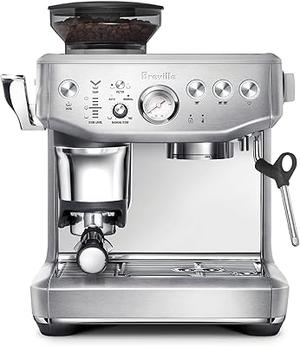 Check Price Check Price |
|
|
|
Rancilio Silvia Espresso Machine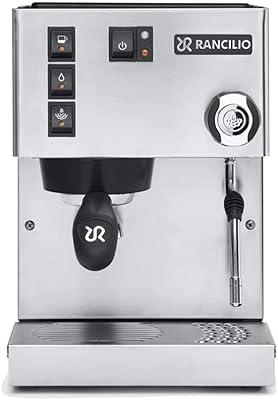 Check Price Check Price |
|
|
|
Gaggia Classic Pro Check Price Check Price |
|
|
|
| DeLonghi Dedica Style Espresso MachineCheck Price |
|
|
|
| Nespresso Expert Espresso MachineCheck Price |
|
|
|
Best Coffee Machines For Espresso
Breville Barista Express
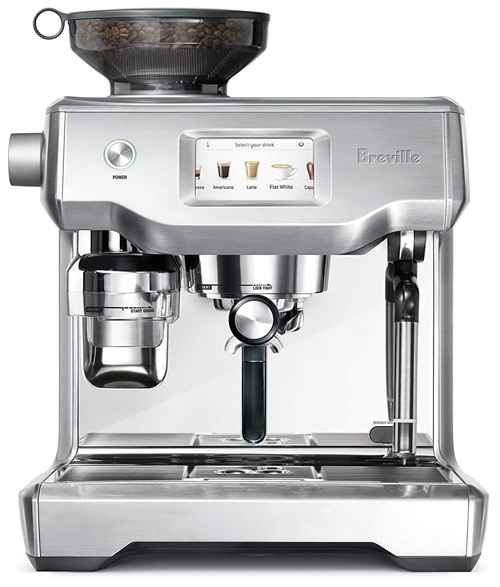
The Breville Barista Express is a go-to choice for anyone who wants the full espresso bar experience right at home. It combines a high-quality built-in grinder, a reliable 15-bar pump, and steam wand, which means you can make espresso and frothy milk-based drinks like lattes and cappuccinos without much hassle. While the machine does take up a bit of space on your counter, it’s worth it for the level of control and fresh coffee it offers. But be warned-it’s got a bit of a learning curve, especially if you’re new to espresso, and cleaning can become a regular task.
Features:
- Integrated conical burr grinder
- PID temperature control
- 15-bar pump
- Stainless steel construction
- Steam wand for frothing milk
Pros:
- All-in-one machine
- Freshly ground coffee
- Great value for money
- Customizable grind and brew settings
Cons:
- Can be bulky
- Learning curve for beginners
- Cleaning requires regular attention
Rancilio Silvia Espresso Machine
The Rancilio Silvia is an absolute favorite among serious espresso enthusiasts. Built like a tank with its stainless steel exterior, it’s known for its durability and performance. The steam wand is top-notch, offering powerful frothing for those perfect lattes and cappuccinos. However, it’s not the most beginner-friendly; it lacks an integrated grinder and has fully manual controls. If you love a hands-on approach and don’t mind putting in a little more effort, the Silvia will serve you well for years.
Features:
- Sturdy commercial-grade build
- Professional steam wand
- 15-bar pump
- Manual controls
- Durable stainless steel body
Pros:
- Commercial-grade performance
- Excellent steam power
- Long-lasting build quality
- Great for serious espresso lovers
Cons:
- Requires manual operation
- No grinder included
- Steep learning curve for beginners
Gaggia Classic Pro
The Gaggia Classic Pro is a well-loved espresso machine that balances simplicity with pro-level results. With its solid stainless steel construction and commercial-style portafilter, it’s built to last and delivers impressive espresso shots. The updated steam wand is better than its predecessor and makes frothing milk easy enough for beginners. However, it doesn’t come with a built-in grinder, so you’ll need to grab one separately. It’s loud compared to other machines and the steam wand might take some practice to master.
Features:
- Commercial-style portafilter
- Stainless steel housing
- Updated steam wand
- 3-way solenoid valve
- Simple interface
Pros:
- Great build quality
- Fantastic espresso shots
- Easy to use
- Improved steam performance compared to older models
Cons:
- Lacks an integrated grinder
- Somewhat loud operation
- Steam wand could be better for more experienced users
DeLonghi Dedica Style Espresso Machine
If you’re tight on space but still want to enjoy an espresso at home, the DeLonghi Dedica Style is a fantastic option. It’s sleek, compact, and won’t take up too much room on your countertop. Despite being a more affordable model, it still provides 15 bars of pressure and has a steam wand for creating delicious milk-based drinks. It’s ideal for those who are new to espresso or don’t want to commit to a bigger machine, though it may lack some of the finesse and power of pricier models.
Features:
- Slim design
- 15-bar pressure
- Professional-quality steam wand
- Compact footprint
- User-friendly controls
Pros:
- Space-saving
- Quick heat-up time
- Affordable
- Easy to use for beginners
Cons:
- Plastic body feels less premium
- Not as powerful as higher-end models
- No built-in grinder
Nespresso Expert Espresso Machine
For those who want a super easy, no-fuss espresso experience, the Nespresso Expert is perfect. It’s a capsule-based machine, so you don’t have to worry about grinding, tamping, or messy clean-ups. It also connects via Bluetooth to your phone for convenience and has an included milk frother for perfect lattes and cappuccinos. While it’s not for those who want full control over their coffee, it consistently delivers decent espresso with minimal effort. Just keep in mind you’re limited to Nespresso pods, which can get a bit pricey over time.
Features:
- Capsule-based system
- Bluetooth connectivity
- Milk frother included
- Compact design
- Fast heat-up time
Pros:
- Convenient
- Consistent results
- No mess with capsules
- Fast brewing process
Cons:
- Limited to Nespresso pods
- Less control over espresso quality
- Not as customizable as other machines
Why Buy Coffee Machines For Espresso
Investing in a coffee machine for espresso brings several distinct advantages, especially for those who are passionate about their coffee. Here are a few reasons why you should consider purchasing one:
Cost Efficiency
Frequent visits to coffee shops can add up quickly. The average cost of a specialty espresso-based drink in cafes can range from $4 to $6 per cup. If you enjoy two or three cups of espresso a day, that’s easily $10-$18 per day or upwards of $3,000 a year. A high-quality espresso machine, while an initial investment, can save you money in the long run. With an average home espresso machine priced anywhere from $100 to $2,000 or more, you can quickly offset the cost through daily use.
Quality Control
When you brew espresso at home, you control every aspect of the process, from the grind size of the coffee beans to the water temperature. This level of control allows you to craft the perfect espresso shot to your exact preferences. Whether you enjoy a milder shot or a bolder, stronger flavor, owning a machine lets you tailor the results to your taste.
Convenience
Having an espresso machine at home means you don’t have to leave the house to get your favorite coffee drink. This is especially appealing in the mornings or on cold days when you don’t want to brave the crowds or stand in line. With the right machine, a shot of espresso can be ready in minutes, making it the perfect start to your day.
Barista Skills At Home
Owning an espresso machine allows you to experiment and develop your barista skills. With practice, you can master techniques like tamping, steaming milk, and pulling a perfect shot of espresso. There’s a satisfying sense of accomplishment when you create the perfect brew for yourself or guests.
Variety And Customization
Home espresso machines open up a wide array of coffee drinks. Beyond just espresso, you can make lattes, cappuccinos, Americanos, macchiatos, and more, depending on the model you choose. You can experiment with different roasts, grind sizes, and milk options, tailoring your creations to whatever mood strikes.
How To Choose The Right Machine?
Selecting the right espresso machine is crucial to enjoying the best coffee at home. With a wide range of models available, here are some key factors to consider:
Type Of Espresso Machine
There are several types of espresso machines, each catering to different preferences and skill levels:
- Manual Espresso Machines: These are best for coffee enthusiasts who want full control over the brewing process. They require skill to operate, particularly in pulling a consistent shot. If you’re up for the challenge and are looking for a truly hands-on experience, this type is ideal.
- Semi-Automatic Machines: A popular choice for home baristas, semi-automatic machines offer a balance of control and convenience. You control the grind and tamping, but the machine manages the water pressure and temperature for you.
- Fully Automatic Machines: These machines automate the entire espresso-making process, from grinding the beans to extracting the espresso shot. While convenient, they offer less hands-on control over the brewing process. They are ideal for those who want speed and ease.
- Super-Automatic Machines: The most user-friendly, super-automatic machines do everything from grinding beans to frothing milk. These are excellent for those who prioritize convenience but are willing to sacrifice a bit of customization.
- Pod Machines: Coffee pod systems, such as Nespresso or Keurig, are the easiest option. They require no grinding, tamping, or any technical knowledge. While convenient, they limit flavor customization and may not produce the same quality espresso as traditional machines.
Size And Space
Espresso machines vary in size, and it’s essential to choose one that fits your kitchen space. Super-automatic and semi-automatic machines tend to be bulkier, while pod machines are more compact. Think about your kitchen layout and counter space when making a decision.
Budget
Budget plays a significant role in determining what machine is best for you. While entry-level machines can start around $100-$200, high-end models can reach $2,000 or more. Determine your price range and then prioritize features that matter most to you, whether that’s build quality, automation, or steaming power.
Ease Of Use
If you’re new to espresso making, look for machines that are easy to use with intuitive interfaces. Features like programmable settings, automatic shot volume control, and a one-touch milk frother can make the brewing process much more enjoyable for beginners.
Power And Performance
Espresso machines require a certain level of power to generate the right pressure for optimal extraction. A good espresso machine will have a pressure of at least 9 bars, which is necessary to force water through the coffee grounds and extract the full flavor.
Top Features To Look For In Coffee Machines For Espresso
When purchasing an espresso machine, there are specific features that can enhance your experience. These include:
Pressure
As mentioned earlier, pressure is key to extracting a great espresso shot. Look for machines with a pressure of 9 bars or more. A high-quality machine will maintain consistent pressure throughout the brewing process.
Temperature Control
Temperature plays a significant role in the flavor profile of your espresso. Machines with built-in thermocoils or PID (Proportional-Integral-Derivative) controllers maintain precise water temperatures, which is essential for consistency and flavor.
Steam Wand
For those who enjoy milk-based espresso drinks like lattes and cappuccinos, a steam wand is essential. A good steam wand will allow you to froth milk to the perfect consistency, creating velvety microfoam that enhances the texture of your drinks.
Grinder
A high-quality burr grinder integrated into the machine can provide consistent coffee grounds, which are crucial for making great espresso. Consistency in grind size helps to achieve an even extraction.
Water Reservoir Size
If you plan on making multiple espresso shots in one sitting, a larger water reservoir can be beneficial. It means fewer trips to refill the tank, making the brewing process more seamless.
Ease Of Cleaning
Some machines are easier to clean than others, and regular maintenance is essential for long-lasting performance. Look for machines with removable parts, such as drip trays and water tanks, for easy cleaning. Some machines also have automatic cleaning features.
Tips For Using Coffee Machines For Espresso
Here are some practical tips to get the most out of your espresso machine:
Use Fresh, High-Quality Coffee Beans
Freshly roasted beans ground just before brewing provide the best flavor. Avoid pre-ground coffee, as it loses its freshness and flavor quickly.
Grind Size Matters
The grind size is crucial for achieving the right balance of flavor and consistency. For espresso, aim for a fine, consistent grind. A burr grinder offers the most precision.
Tamping Technique
Proper tamping ensures an even extraction. Apply consistent pressure when tamping the coffee grounds, ideally around 30 pounds of pressure.
Preheat The Machine
Preheating your machine and cup ensures that your espresso is served at the right temperature. This step helps maintain the quality of the espresso shot.
Practice Regularly
Espresso making is an art, and like any skill, it requires practice. Experiment with grind size, tamping pressure, and shot time to perfect your technique.
Maintenance And Cleaning Tips
Proper maintenance is crucial for keeping your espresso machine in good working order. Here are some tips for cleaning and maintaining your machine:
Descale Regularly
Mineral deposits from water can build up inside the machine, especially if you live in an area with hard water. Descale your machine every 1-3 months, depending on usage and water hardness.
Clean The Portafilter And Group Head
After each shot, clean the portafilter and group head to remove coffee residue. This helps maintain the flavor of your espresso and prevents clogging.
Clean The Steam Wand
After each use, wipe down the steam wand with a damp cloth and purge it by releasing a small amount of steam. This prevents milk residue buildup and ensures better frothing.
Replace Water Filters
Many espresso machines have water filters to improve the quality of the water used. Replace these filters according to the manufacturer’s recommendation to avoid poor water quality affecting your coffee.
Where To Buy Coffee Machines For Espresso
You can buy coffee machines for espresso from a variety of places:
- Online Retailers: Websites like Amazon, Best Buy, and specialty coffee retailers offer a wide range of espresso machines with user reviews and ratings. Shopping online often gives you access to competitive prices, and you can compare different models easily.
- Specialty Coffee Stores: Stores that specialize in coffee equipment can provide expert advice. Many even allow you to test the machines before buying.
- Big-Box Retailers: Major retailers like Walmart or Target offer a range of espresso machines, though their selection might be more limited.
- Direct from Manufacturers: Some brands, such as Breville, Rancilio, and DeLonghi, sell directly through their websites, sometimes offering exclusive models or promotions.
Final Words
Investing in a coffee machine for espresso is not just about making a great cup of coffee. It’s about the experience-whether it’s the satisfaction of crafting the perfect shot, saving money over time, or simply having the convenience of a café-quality drink at your fingertips. By understanding the types of machines, key features, and how to properly maintain your equipment, you can ensure that your espresso machine delivers consistent, delicious results every time.