
Best Manual Pour Over Coffee Makers [BUYER GUIDE]
Note: This page contains affiliate links.
As an Amazon Associate, I earn from qualifying purchases when you click on the link, but you are not charged extra.
Coffee is more than just a beverage; for many, it is a ritual, a moment of calm, and an expression of craftsmanship. Among the many brewing methods available today, manual pour over coffee makers have earned a devoted following. They represent a return to intentional brewing, where the user controls every variable, from water temperature to pouring technique. Unlike automated machines, manual pour over brewing emphasizes precision, patience, and appreciation for the subtleties of flavor.
Top 5 Must-Try Coffee Lineup
- Old World Christmas Beans: Tastes like the holidays in every cup — discover the cozy magic of Old World Christmas Beans before the season slips away.
- Kirkland Sumatra French Roast : Dark, bold, and wildly smooth—why Kirkland’s Sumatra French Roast is the best-kept secret of serious coffee drinkers.
- Hot Fudge Whole Bean Coffee : What happens when dessert meets coffee? Meet the decadent whole bean that tastes like hot fudge—but better.
- Aroma Ridge Guatemala Antigua Medium Roast : From the highlands of Guatemala to your morning mug—this rich, balanced roast is waking up coffee lovers everywhere.
- Juan Valdez Cumbre Colombian Coffee : Crafted by Colombia’s most iconic coffee legend—why Cumbre is a must-try for fans of bold, authentic flavor.
In recent years, the popularity of manual pour over coffee makers has grown significantly, driven by specialty coffee culture and a desire for higher-quality, more personalized coffee experiences. Whether you are a casual coffee drinker seeking better taste or a dedicated enthusiast chasing the perfect cup, manual pour over coffee makers offer a rewarding and immersive approach to brewing.
Contents
- 1 Best Manual Pour Over Coffee Makers: Comparison Table
- 2 Best Manual Pour Over Coffee Makers
- 3 Why Buy Manual Pour Over Coffee Makers
- 4 How To Choose The Right Machine?
- 5 Top Features To Look For In Manual Pour Over Coffee Makers
- 6 Tips For Using Manual Pour Over Coffee Makers
- 7 Maintenance And Cleaning Tips
- 8 Where To Buy Manual Pour Over Coffee Makers
- 9 Final Words
Best Manual Pour Over Coffee Makers: Comparison Table
| Features | Pros | Cons | |
|---|---|---|---|
Hario V60 Ceramic Coffee Dripper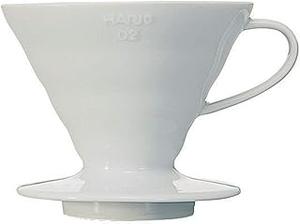 Check Price Check Price |
|
|
|
Chemex Classic Series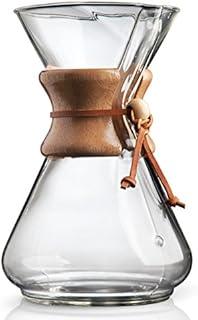 Check Price Check Price |
|
|
|
Kalita Wave 185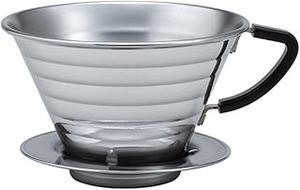 Check Price Check Price |
|
|
|
Melitta Pour-Over Coffee Brewer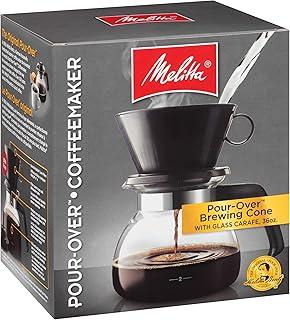 Check Price Check Price |
|
|
|
| Bee House Ceramic DripperCheck Price |
|
|
|
Best Manual Pour Over Coffee Makers
Hario V60 Ceramic Coffee Dripper
The Hario V60 is one of the most iconic pour-over coffee makers out there, and for good reason! It’s simple, functional, and made of durable ceramic. The cone-shaped design allows for a great deal of control over how quickly water flows through your grounds, meaning you can really fine-tune your brew for the best flavor. While it’s relatively inexpensive, it’s not the most forgiving for beginners, so it takes some practice to get it just right. Plus, you’ll need a separate carafe or mug to collect the coffee, as it doesn’t come with one.
Features:
- Ceramic construction
- Cone-shaped design
- Large hole for water flow control
- Available in 01, 02, and 03 sizes
- Works with paper filters
Pros:
- Durable and sturdy
- Precise control over brew speed
- Affordable
- Highly regarded by coffee enthusiasts
Cons:
- Can be fragile
- Requires skill to master pour-over technique
- No built-in carafe, so needs separate container
Chemex Classic Series
The Chemex is basically a piece of art that brews coffee. Its sleek, glass design has become a staple in many coffee lovers’ kitchens, and for good reason. The Chemex makes coffee that’s incredibly clean, thanks to its special thick paper filters that trap oils and particles. It’s easy to use once you get the method down, but it’s a bit more fragile and pricey than your standard pour-over. Also, you’ll need to hunt down Chemex-specific filters, which can be a hassle if you’re in a pinch.
Features:
- Glass construction
- Elegant design
- Thick paper filters
- Available in 3, 6, 8, and 10-cup sizes
- Brews clean and crisp coffee
Pros:
- Stylish and attractive
- Produces a smooth and clean cup
- Easy to use once you get the hang of it
- Thick filters reduce oils for a cleaner taste
Cons:
- More expensive than other options
- Can be fragile
- Requires special Chemex filters which are not universally available
Kalita Wave 185
If you’re new to pour-over or just want a more forgiving experience, the Kalita Wave 185 is a solid pick. Its flat-bottom design with three drainage holes ensures a consistent brew every time. The wave-style filter helps maintain uniform extraction, making it perfect for beginners or those who want a more predictable cup of coffee. While it’s a little more expensive, it’s built to last, especially the stainless steel version, but it lacks the style of something like the Chemex. Still, for reliability, it’s hard to beat!
Features:
- Stainless steel or glass build
- Flat-bottom design
- Three small drainage holes
- Flat, wave-style filter
Pros:
- Very forgiving for beginners
- Consistent extraction
- Easy to control water flow
- Durable
Cons:
- A bit more expensive than basic options
- Can still break if mishandled
- Not as stylish as some other models
Melitta Pour-Over Coffee Brewer
The Melitta Pour-Over Coffee Brewer is the no-frills option if you’re looking for a simple, budget-friendly way to brew your coffee. It’s lightweight, portable, and perfect for anyone who’s just starting out with pour-over brewing. The plastic build isn’t the most durable, but it’s functional, and you can use standard Melitta paper filters, which are easy to find. It doesn’t offer the same level of precision or style as other options, but for everyday use, it’s hard to go wrong with such a low price tag.
Features:
- Plastic construction
- Simple cone design
- Available in multiple sizes
- Works with standard Melitta paper filters
Pros:
- Inexpensive
- Great for beginners
- Lightweight and portable
- Works with widely available filters
Cons:
- Can feel flimsy
- Not as durable as other options
- Basic design with limited features
Bee House Ceramic Dripper
If you’re looking for something simple and effective, the Bee House Ceramic Dripper is a great option. It’s compact, easy to use, and perfect for brewing just one or two cups at a time. The two small holes allow water to flow evenly over the coffee grounds, but there’s not much in the way of customization-what you see is what you get. It’s affordable and gets the job done, but keep in mind it’s a little more delicate than some of the more rugged models, and you’ll likely need to grab specific filters for it.
Features:
- Ceramic material
- Two small holes for water flow
- Available in 1 or 2-cup sizes
- Simple, straightforward design
Pros:
- Affordable
- Great for smaller batches
- Very easy to use
- No-fuss, simple design
Cons:
- Smaller capacity
- Not as customizable as others
- Can be fragile
- May require specific filters
Why Buy Manual Pour Over Coffee Makers
One of the primary reasons people choose manual pour over coffee makers is superior flavor control. Unlike automatic machines that rely on preset brewing cycles, pour over brewing allows you to manage extraction precisely. This control results in a cleaner, more nuanced cup that highlights the unique characteristics of each coffee bean.
Another compelling reason is simplicity and reliability. Manual pour over coffee makers have minimal components, meaning fewer parts that can fail. There are no electronics, pumps, or heating elements to malfunction, making them durable and dependable over time.
Manual pour over brewing is also cost-effective. High-quality pour over devices are generally affordable compared to espresso machines or high-end automatic brewers. Despite the lower price, they can deliver café-level results when used correctly.
Additionally, pour over coffee makers promote mindful brewing. The hands-on process encourages you to slow down and engage with the brewing ritual. For many, this moment of focus becomes a daily routine that enhances enjoyment and appreciation for coffee.
How To Choose The Right Machine?
Selecting the right manual pour over coffee maker depends on your personal preferences, brewing habits, and lifestyle. One of the first considerations is capacity. Some pour over devices are designed for single cups, while others can brew multiple servings at once. Choose a size that matches how much coffee you typically drink.
Material is another important factor. Pour over coffee makers are commonly made from ceramic, glass, stainless steel, or plastic. Ceramic and glass retain heat well and offer a classic aesthetic, while stainless steel provides durability and portability. Plastic options are lightweight and travel-friendly but should be BPA-free.
You should also consider filter type compatibility. Some devices use paper filters, which produce a clean and bright cup, while others use metal or cloth filters that allow more oils to pass through, resulting in a fuller body.
Finally, think about ease of use and maintenance. If you are new to pour over brewing, a design with clear guidelines and stable construction may be preferable. More experienced users may enjoy experimenting with minimalist or advanced designs that allow greater control.
Top Features To Look For In Manual Pour Over Coffee Makers
A well-designed manual pour over coffee maker should offer both functionality and consistency. One essential feature is even water distribution. The shape and size of the dripper holes play a significant role in controlling flow rate and extraction. Multiple small holes often provide more balanced brewing than a single large opening.
Thermal stability is another key feature. Materials that retain heat help maintain consistent water temperature throughout the brewing process, leading to better extraction and flavor clarity.
Build quality should not be overlooked. A sturdy base and well-finished surfaces ensure stability during brewing and long-term durability. Poorly constructed devices may wobble or crack over time.
Some pour over coffee makers also include measurement markers or ribbed interior walls, which help improve airflow and prevent filter sticking. These subtle design elements can significantly impact the quality of the final cup.
Tips For Using Manual Pour Over Coffee Makers
To get the best results from a manual pour over coffee maker, start with freshly ground coffee beans. Grinding your coffee just before brewing preserves aroma and flavor. A medium-fine grind is typically ideal for pour over methods.
Water quality and temperature are equally important. Use filtered water whenever possible, and aim for a brewing temperature between 195°F and 205°F. Water that is too hot can cause bitterness, while cooler water may result in under-extraction.
The pouring technique plays a critical role. Begin with a small amount of water to bloom the coffee, allowing trapped gases to escape. After 30 to 45 seconds, continue pouring slowly in a circular motion to ensure even saturation.
Finally, be patient and consistent. Manual pour over brewing rewards practice. Small adjustments in grind size, pour speed, and coffee-to-water ratio can lead to noticeable improvements in taste.
Maintenance And Cleaning Tips
Proper maintenance ensures both longevity and consistent flavor quality. After each use, discard the filter and rinse the coffee maker thoroughly with warm water. This prevents coffee oils from building up and affecting future brews.
For deeper cleaning, wash the pour over device regularly with mild soap. Avoid abrasive sponges that can scratch surfaces, especially on glass or ceramic models.
If you use a metal or cloth filter, clean it carefully after every brew. Metal filters should be rinsed thoroughly to remove trapped grounds, while cloth filters may need occasional boiling to eliminate residue.
Allow all components to dry completely before storage to prevent odors or mold growth. With regular care, a manual pour over coffee maker can last for many years.
Where To Buy Manual Pour Over Coffee Makers
Manual pour over coffee makers are widely available through various channels. Specialty coffee shops often carry high-quality, carefully selected models and can provide expert advice on usage.
Online retailers offer the widest selection, ranging from entry-level drippers to premium handcrafted designs. Shopping online allows you to compare features, read reviews, and find competitive pricing.
You can also find pour over coffee makers at kitchenware stores and home goods retailers, where you can see and handle the product before purchasing. This can be especially helpful when evaluating size, material, and build quality.
Final Words
Manual pour over coffee makers represent a perfect balance between simplicity and sophistication. They empower users to take full control of the brewing process while maintaining an approachable and affordable entry point into specialty coffee.
For those willing to invest time and attention, the rewards are significant. Each cup becomes a reflection of personal taste, technique, and intention, transforming coffee from a routine habit into an enjoyable craft.